
Genes Through Generations
The Selfish GeneThis thread follows the explanation of how genes persist as copied units while chromosomes, bodies, and gene combinations are repeatedly reshuffled.
increasing Bearing strength in each event
 decreasing
Bearing strength in each eventdecreasingThe Double Set
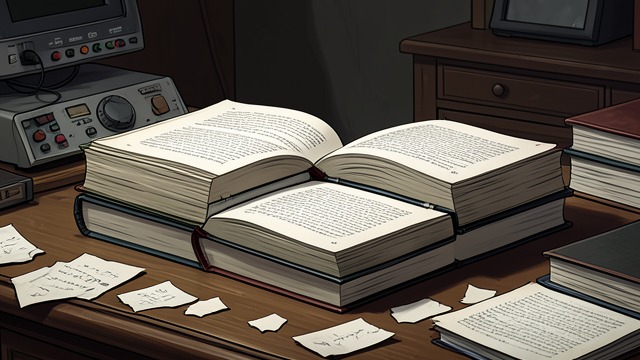
Plans in Each Cell
Chromosomes as volumes
The book introduces DNA as a coded set of developmental instructions distributed through cells. Its architectural metaphor makes chromosomes volumes and genes pages, while acknowledging that the boundaries are not so tidy.
Inherited alternatives
An individual receives paired chromosomes from two parents. Alternative versions of a genetic instruction can occupy corresponding positions, creating the possibility of different effects in development.
Meiosis and Recombination
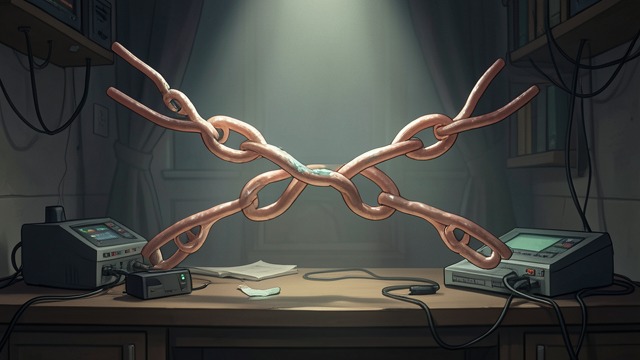
The Shuffling of Heredity
A special division
Meiosis makes sex cells with half the usual chromosome complement. During this process, corresponding chromosome sections can exchange material through crossing over.
Temporary combinations
The exchange means that each offspring receives a new combination rather than an intact copy of either parent’s full genetic arrangement. Bodies and chromosome combinations are temporary; smaller segments can remain intact across generations.
Defining the Gene
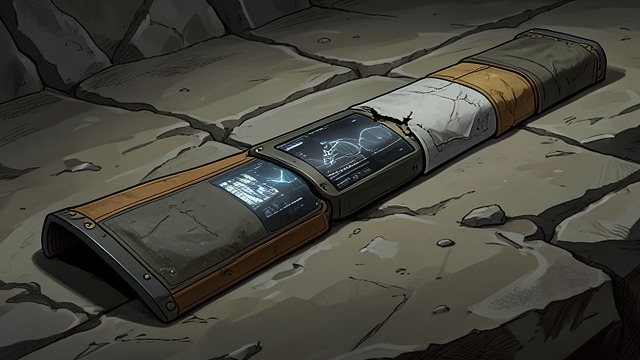
A Practical Unit
Not merely a coding segment
The author uses a definition centered on persistence: a gene is a stretch of chromosome material capable of lasting long enough, in copies, to matter in selection. The chosen unit is therefore not fixed at one universal size.
Copying and survival
Shorter segments are less likely to be broken up by crossing over, though mutations can still alter them. The gene is treated as a useful evolutionary unit, not as an indivisible physical object.
Genes Outlast Bodies
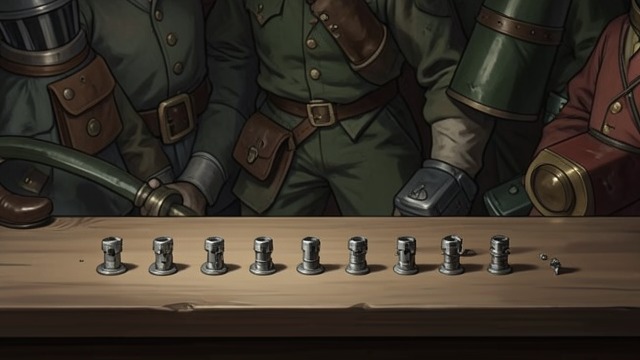
Copies Across Mortal Lives
The individual’s limit
A body dies, and sexual reproduction dissolves its exact genetic arrangement. The book contrasts that brief lifetime with a gene’s potential continuity through copies carried in many descendants.
The image of immortality
“Immortal” is a metaphor for persistence, not for an unchanging molecule. Individual DNA molecules are short-lived, while copies of a successful genetic segment may endure for geological spans.
Fitness Depends on Company
Genes in a Shared Body
Cooperative development
Genes do not build bodies independently. Their effects depend on other genes and environmental conditions, much as members of a team depend on one another to perform well.
Selection in context
A genetic variant can be beneficial in one gene pool and harmful in another. The book uses evolutionary game theory to explain how compatible combinations can emerge without requiring selection to act on a whole gene group.
Early in Chapter 3
During the account of sexual inheritance
Midway through Chapter 3
Near the end of Chapter 3
At the close of Chapter 3 and in Chapter 5
